Creating a cozy and inviting home workspace is essential for anyone who spends a significant amount of time working from home. A well-designed workspace can boost your productivity, reduce stress, and make your workdays more enjoyable. If you’re looking to transform a corner of your home into a comfortable and inspiring office, this guide will offer practical tips to help you achieve the perfect environment.
Why a Cozy Workspace Matters
Working from home offers flexibility, but without the right setup, it can lead to distractions and discomfort. A cozy workspace doesn’t just mean comfortable furniture — it’s about creating a space that feels welcoming and personalized, encouraging you to focus and feel motivated.
Choose the Right Location
Pick a Quiet Spot
Choose a location in your home that is relatively quiet and free from distractions. A space near a window is ideal because natural light can lift your mood and reduce eye strain.
Consider Privacy
If possible, select an area away from high-traffic zones. Using room dividers or screens can help create a sense of separation even if the area is part of a shared space.
Invest in Comfortable Furniture
Ergonomic Chair
Your chair is one of the most important pieces of furniture. Opt for an ergonomic chair with good lumbar support to keep your posture healthy throughout the day.
Functional Desk
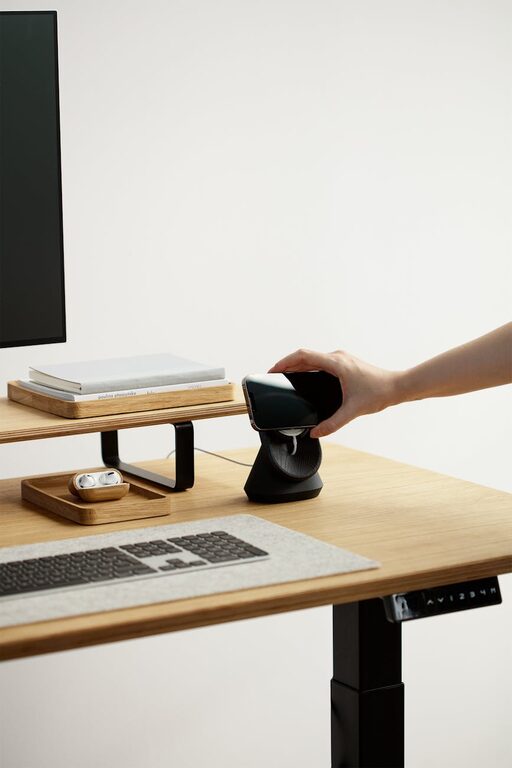
Choose a desk that suits your workflow. Whether it’s a standing desk, a traditional table, or a compact surface for small spaces, make sure it’s sturdy and at a comfortable height for typing or writing.
Lighting is Key
Utilize Natural Light
Arrange your desk near a window to take advantage of natural light. It helps reduce eye fatigue and creates a pleasant atmosphere.
Add Task Lighting
In addition to overhead lighting, include a desk lamp with adjustable brightness. This allows you to control your lighting for different tasks like reading, writing, or screen work.
Personalize Your Space
Use Calming Colors
Soft, neutral tones or pastel shades on walls and accessories can create a relaxing vibe. Avoid overly bright or aggressive colors that might be distracting.
Add Personal Touches
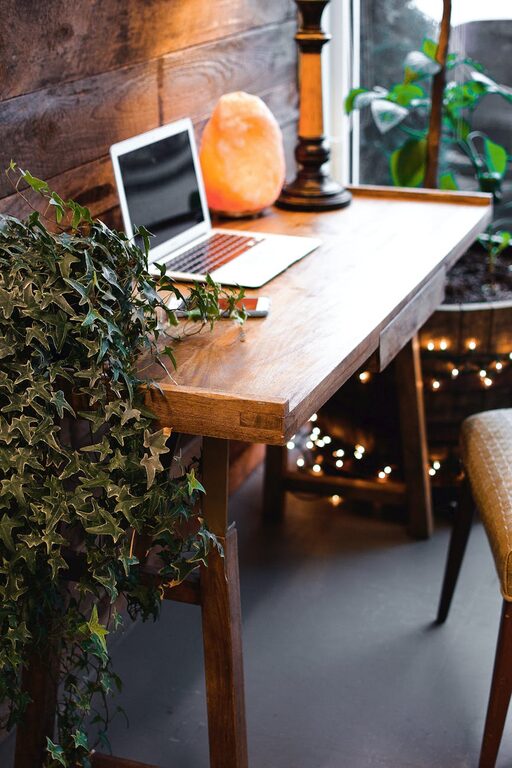
Include items that make you happy or inspired, such as photos, plants, artwork, or meaningful trinkets. These touches can create a sense of warmth and make the space uniquely yours.
Organize and Declutter
Stay Tidy with Storage Solutions
Use shelves, drawers, or organizers to keep your desk clutter-free. A clean workspace helps maintain focus and reduces stress.
Keep Essentials Within Reach
Store items you use daily close at hand, such as pens, notebooks, or chargers. This minimizes interruptions and keeps your workflow smooth.
Incorporate Comfort Elements
Soft Textiles
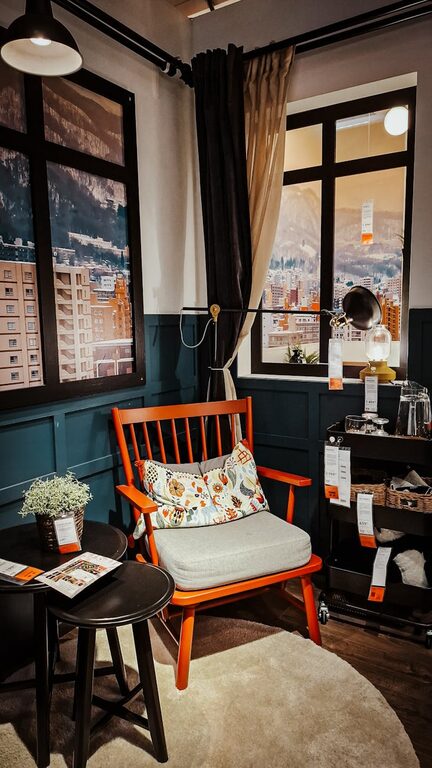
Add a cozy rug, cushions, or a throw to your chair for added comfort. These small touches make your space inviting and pleasant to spend time in.
Control Temperature
Make sure your workspace is comfortable in terms of temperature. A small fan or space heater can help regulate your environment as needed.
Integrate Technology Thoughtfully
Cable Management
Keep cables organized with clips, sleeves, or under-desk trays. This not only looks neater but also prevents accidents.
Quality Equipment
Use reliable tools like a good keyboard, mouse, and headphones to enhance your work experience and reduce fatigue.
Create a Break Area
If space allows, having a small spot nearby for a quick stretch or relaxation can improve productivity. A comfy chair or a small bench can provide respite during breaks.
Maintain Work-Life Balance
While your workspace should be cozy, it’s important to mentally separate work from leisure. When your workday ends, tidy up your area to prepare for downtime. This helps your mind switch off and recharge.
Final Thoughts
Designing a cozy and inviting home workspace doesn’t require a large budget or complicated changes. By focusing on comfort, organization, lighting, and personal touches, you can create a space that encourages focus and wellbeing. Your home office should be a place where you want to spend time—productive yet relaxing, stylish yet practical.
Start small, experiment with different layouts and accessories, and adjust as you go. With a little effort, your home workspace can become your favorite spot to work and thrive.
About the Author