Creating a home office that balances comfort and productivity can significantly improve your work-from-home experience. Whether you have a dedicated room or a small nook, designing a cozy workspace tailored to your needs helps reduce distractions and boost efficiency. Here are practical tips to help you build a home office space where you can feel comfortable and get things done.
Choose the Right Location
Selecting the correct spot in your home for your office is the foundation of a great workspace. Ideally, choose a quiet area with minimal foot traffic where you can focus without interruptions.
– Natural Light: If possible, pick a space near a window to benefit from natural light. It helps maintain energy, improve mood, and reduce eye strain.
– Privacy: Ensure the area allows for privacy, especially if you have others at home during work hours.
– Space: Consider the size needed for your desk, chair, storage, and other essentials without feeling cramped.
Invest in Comfortable and Functional Furniture
Your furniture choices play an important role in both comfort and productivity.
– Ergonomic Chair: A chair with good lumbar support helps prevent back pain and encourages good posture.
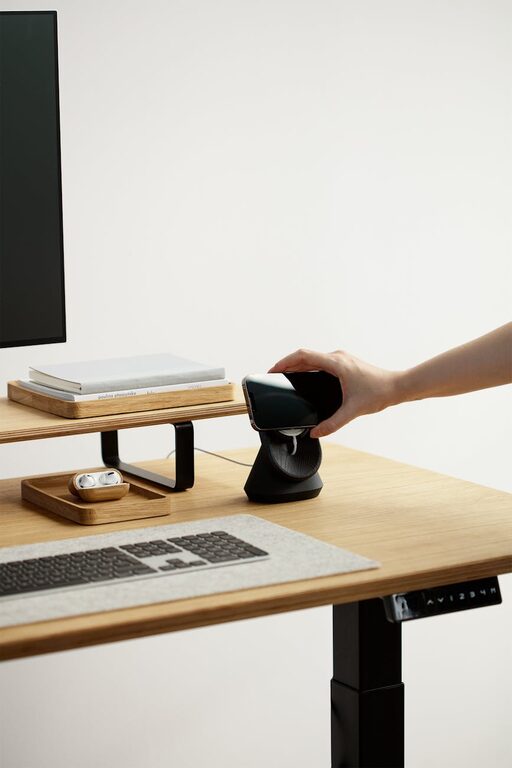
– Appropriate Desk: Find a desk the right height for your body and work style. Adjustable desks that convert from sitting to standing positions add flexibility.
– Storage Solutions: Use shelves, filing cabinets, or drawers to keep your workspace organized and clutter-free.
Decorate to Enhance Comfort Without Distraction
Your office décor should create a welcoming environment but remain functional.
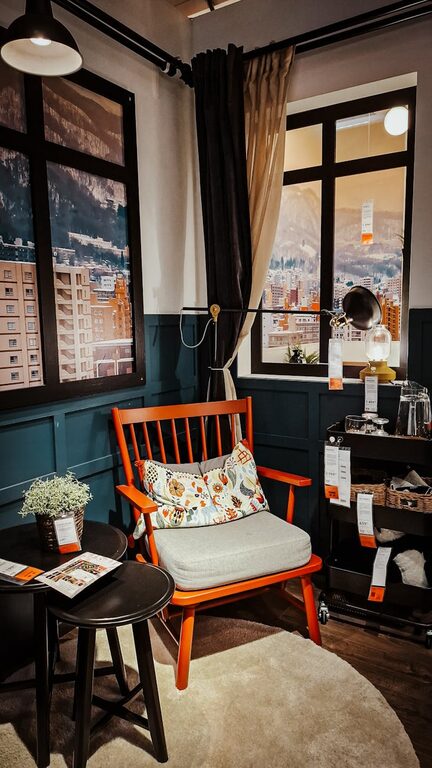
– Color Scheme: Soft, neutral colors reduce stress, while subtle pops of color can boost creativity and energy.
– Plants: Adding greenery can improve air quality and create a calming atmosphere.
– Personal Touches: Include photos, artwork, or meaningful objects that inspire you, but avoid overdecorating which can cause distraction.
Optimize Lighting
Proper lighting reduces eye strain and keeps you alert.
– Layered Lighting: Use a mix of natural light, overhead lights, and task lighting such as a desk lamp.
– Avoid Glare: Position screens and lights to minimize glare on your computer.
– Warm vs. Cool Light: Warm light creates a cozy ambiance, while cool white light can improve focus during tasks.
Organize for Efficiency
An organized workspace saves time and reduces stress.
– Declutter Regularly: Keep only the items you need on your desk.
– Use Organizers: Drawer dividers, pen holders, and cable management tools keep supplies orderly.
– Digital Organization: Maintain a streamlined computer desktop and clear email inbox.
Establish Boundaries and Routine
Separating work from personal life helps maintain a healthy balance.
– Defined Workspace: Use room dividers or rugs to clearly mark your office zone if it’s part of a shared space.
– Set Work Hours: Stick to regular start and end times to avoid burnout.
– Breaks and Movement: Schedule short breaks to stretch and rest your eyes.
Manage Technology Smartly
Technology can either help or hinder productivity depending on how you manage it.
– Reliable Internet: Invest in a stable internet connection to avoid interruptions.
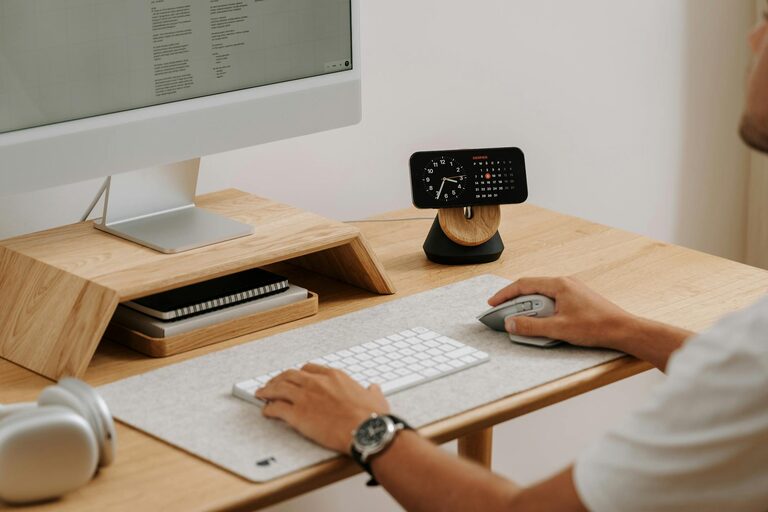
– Ergonomic Accessories: Consider an external keyboard or mouse to improve comfort.
– Minimize Distractions: Use apps to block distracting websites and silence irrelevant notifications during work.
Pay Attention to Acoustics
Noise can disrupt focus, so managing sound in your home office is important.
– Noise Control: Use rugs, curtains, or acoustic panels to reduce echo and outside noise.
– Headphones: Noise-canceling headphones can help create a quiet environment even in busy households.
Make It a Space You Look Forward To
Ultimately, your home office should feel inviting.
– Comfort Items: A cozy blanket, favorite mug, or a small diffuser with relaxing scents can create a pleasant atmosphere.
– Keep It Clean: Regularly cleaning your area helps maintain comfort and motivation.
—
Creating a home office that is both cozy and productive takes thoughtful planning and personalization. By choosing the right location, investing in ergonomic furniture, optimizing lighting and organization, and setting clear boundaries, you can build a workspace that supports your well-being and helps you perform at your best every day.
About the Author