Working from home has become a common part of life for many people. While it offers flexibility and convenience, it also comes with the challenge of creating a workspace that feels comfortable and inviting. A relaxing home office environment can help reduce stress, increase focus, and improve overall productivity. Here are some helpful tips to guide you in designing a workspace that supports both your well-being and your work.
Choose the Right Location
Selecting the right spot in your home for your office is the first step. Ideally, pick a quiet area with minimal distractions. This might be a spare room, a corner of your bedroom, or even a section of your living room.
– Look for natural light sources to brighten your space.
– Choose a place away from loud appliances or high-traffic areas.
– Consider using room dividers or partitions if you share spaces with others.
Pay Attention to Lighting
Proper lighting affects both your mood and productivity. Natural light is best because it helps regulate your body’s internal clock.
– Position your desk near a window if possible.
– Use adjustable blinds or curtains to control glare.
– Add a desk lamp with warm light for evening work.
– Avoid harsh fluorescent lighting that can cause eye strain.
Invest in Ergonomic Furniture
Comfort is essential when you spend long hours working. Ergonomic furniture supports good posture and prevents aches and pains.
– Choose a comfortable chair with adjustable height and lumbar support.
– Use a desk at the right height to keep your arms and wrists relaxed.
– Consider a footrest or standing desk if you prefer alternate positions.
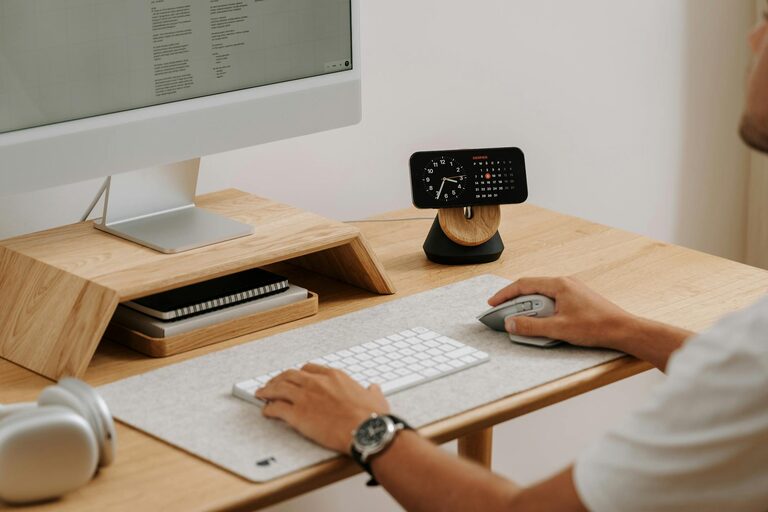
– Keep your computer monitor at eye level to reduce neck strain.
Declutter and Organize
A tidy environment promotes mental clarity and reduces stress.
– Use storage boxes, shelves, or filing cabinets to keep papers organized.
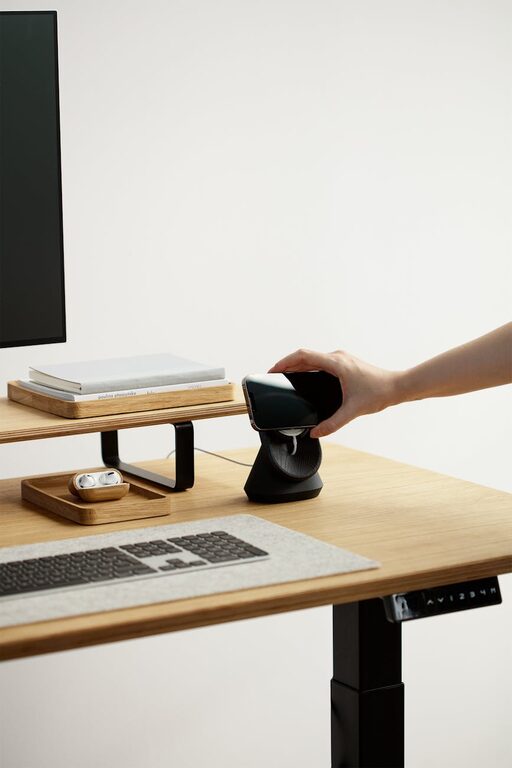
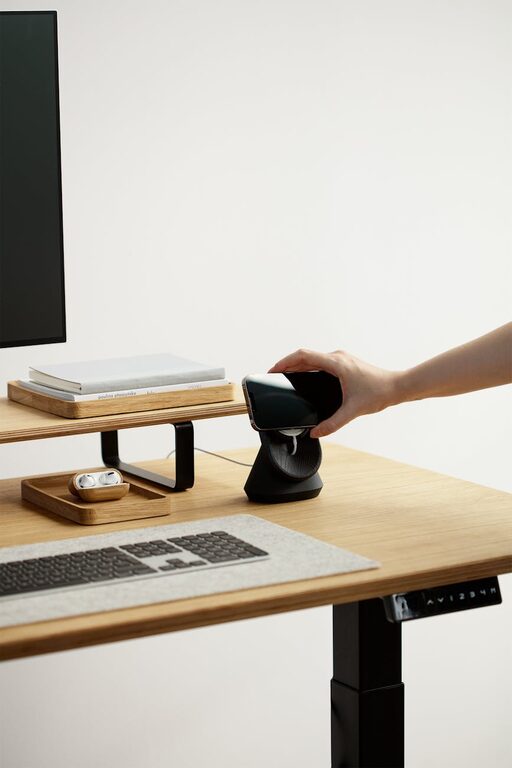
– Keep your desktop clear except for essential items.
– Develop a daily or weekly routine to tidy your space.
– Use cable management tools to keep cords neat and out of the way.
Incorporate Calming Colors
Colors influence mood and energy levels. Choose colors that create a peaceful, inviting atmosphere.
– Soft blues, greens, and neutrals are commonly associated with calm.
– Avoid overly bright or harsh colors which can be distracting.
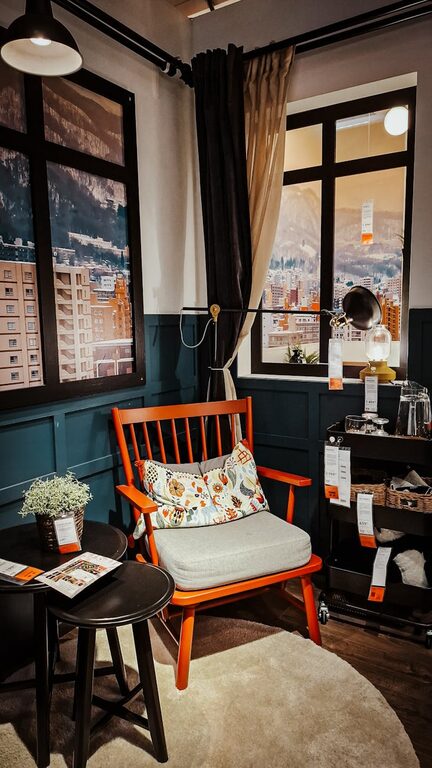
– Add color through accent walls, artwork, or accessories.
Personalize Your Space Thoughtfully
Adding personal touches can make your home office feel welcoming and motivate you to work.
– Display meaningful photos or artwork.
– Place plants or flowers to bring a bit of nature indoors.
– Use inspirational quotes or calendars for daily encouragement.
– Keep decorations minimal to avoid clutter.
Manage Noise Levels
Noise can be a significant distraction in a home environment. Managing sound helps maintain focus.
– Use noise-cancelling headphones or white noise machines.
– Add rugs, curtains, or cushions which absorb sound.
– Close doors or use door sweeps to block outside noise.
– Communicate your working hours to household members to minimize interruptions.
Maintain Good Air Quality
Fresh air contributes to alertness and comfort.
– Open windows regularly to let in fresh air.
– Use an air purifier or humidifier if needed.
– Keep plants that improve air quality, such as spider plants or peace lilies.
Take Regular Breaks
Even in the most relaxing environment, it’s important to step away from your desk periodically.
– Follow the 20-20-20 rule: Every 20 minutes, look at something 20 feet away for 20 seconds.
– Stretch or walk during breaks to rejuvenate your body.
– Drink water often to stay hydrated.
Set Boundaries Between Work and Leisure
A relaxing home office also means separating your work life from your personal one.
– Establish specific work hours.
– Shut down your computer and clear your workspace at the end of the day.
– Avoid using your workspace for leisure activities to maintain its clear purpose.
—
Creating a relaxing home office environment takes some thought and planning, but the payoff is worth it. When your space feels calm and comfortable, you can focus better and enjoy working from home more. Use these tips to design a workspace that supports your productivity and well-being each day.
About the Author