Creating a relaxing home workspace is key to maintaining productivity and well-being when working from home. With more people spending significant time working remotely, having a dedicated and calming environment can make all the difference. This guide will share simple, practical tips to help you create a workspace that supports your focus, reduces stress, and keeps you motivated throughout the day.
Why a Relaxing Workspace Matters
A well-designed workspace is more than just a desk and chair. It’s a place that encourages concentration, creativity, and comfort. When your workspace feels clutter-free and soothing, it helps reduce distractions and promotes mental clarity. This balance is essential for productivity, especially in a home environment where boundaries between work and relaxation can blur.
Choose the Right Location
Selecting the best spot in your home for your workspace is an important first step.
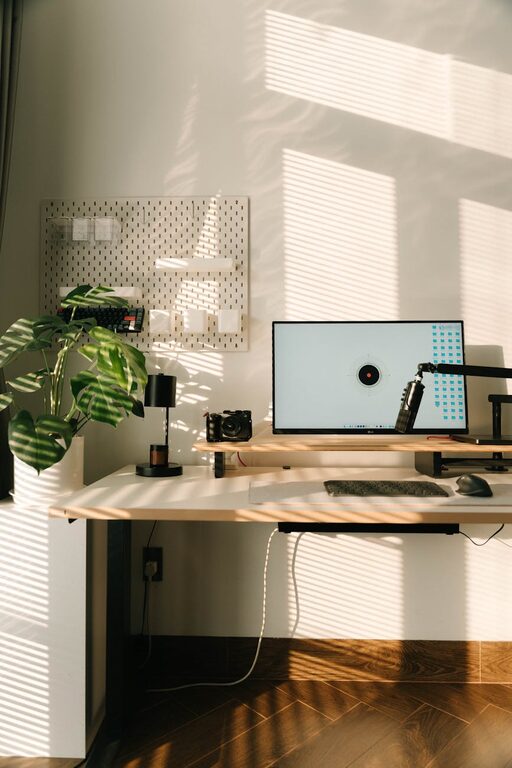
– Natural Light: Aim for a place with plenty of natural light. Sunlight boosts mood and energy.
– Quiet Area: Pick a spot away from noise and household traffic for better concentration.
– Space For Movement: Make sure you have enough room for your desk, chair, and any equipment you need.
Invest in Comfortable and Functional Furniture
Ergonomics plays a crucial role in productivity and well-being.
– Ergonomic Chair: Choose a chair that supports your back and encourages good posture.
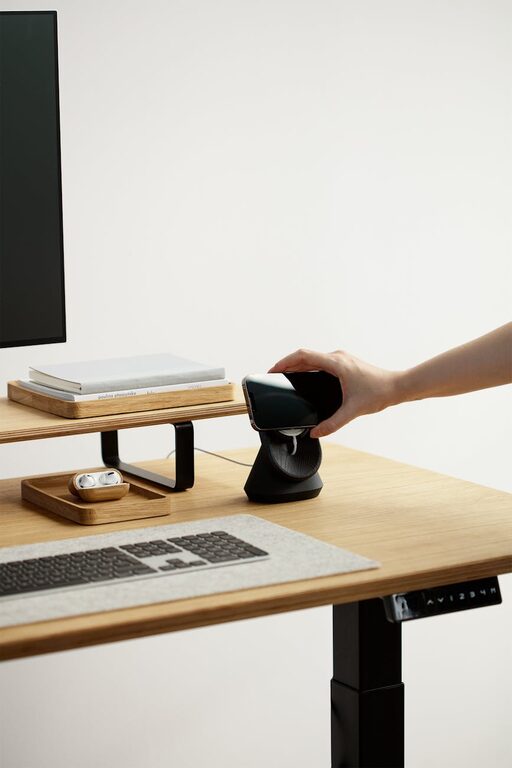
– Adjustable Desk: Consider a desk with adjustable height for sitting or standing options.
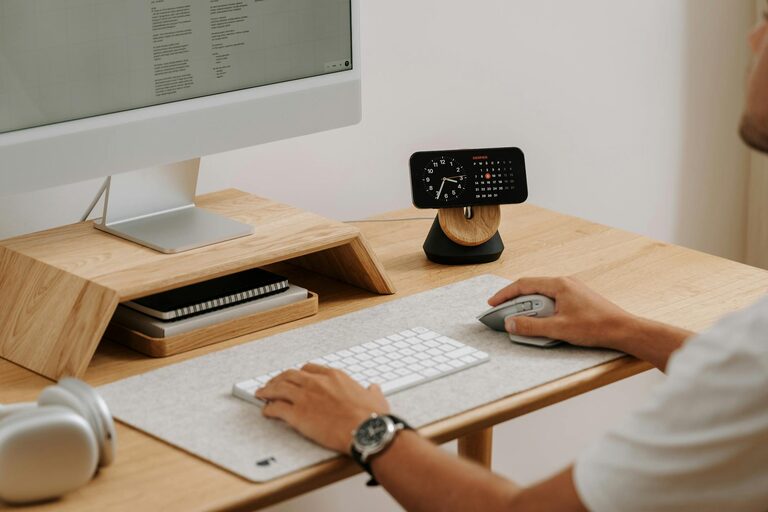
– Proper Desk Size: Your desk should have enough space to hold your computer, paperwork, and other essentials without clutter.
Keep It Organized
A tidy workspace can reduce stress and improve focus.
– Declutter Regularly: Remove unnecessary items and keep only what you use daily.
– Use Storage Solutions: Use shelves, drawers, or organizers to keep supplies neatly stored.
– Cable Management: Use clips or sleeves to keep cords and cables out of the way.
Add Soothing Elements
Personalize your workspace with items that promote calm and positivity.
– Plants: Indoor plants improve air quality and add a touch of nature.
– Soft Lighting: Use lamps or adjustable light sources to avoid harsh overhead lighting.
– Inspirational Items: Include photos, art, or quotes that motivate you.
Manage Noise
Whether you prefer silence or some background sounds, control the noise level.
– Noise-Canceling Headphones: These help block out distractions.
– Background Music: Soft instrumental or ambient music can improve concentration.
– White Noise Machines: These produce consistent sound to mask disruptive noises.
Maintain a Comfortable Temperature
Being too hot or cold can distract you.
– Ventilation: Keep windows open if possible or use fans to circulate air.
– Space Heaters or Air Conditioning: Adjust temperature to a comfortable level.
Establish a Routine and Boundaries
Your workspace should support work-life balance.
– Set Work Hours: Define clear start and end times to your workday.
– Designate Workspace Only for Work: Avoid using this area for leisure to keep your mind focused.
– Take Breaks: Step away from your desk regularly to refresh your mind.
Incorporate Movement and Stretching
Sitting for long periods can affect your well-being.
– Take Short Stretch Breaks: Stretch arms, legs, neck, and back every hour.
– Use a Standing Desk: Alternate between sitting and standing if possible.
– Simple Exercises: Try desk yoga or light physical exercises during breaks.
Use Technology Wisely
Make your tech support productivity, not distract.
– Organize Digital Files: Keep your computer desktop and folders well organized.
– Use Productivity Apps: Apps for task management or focus timers can help stay on track.
– Limit Notifications: Turn off non-essential alerts to reduce interruptions.
Keep It Personal but Professional
Adding personal touches makes your workspace inviting, while keeping it professional helps maintain a work mindset.
– Choose Colors Wisely: Use calming colors like blues or greens.
– Limit Excess Decorations: Too many items can create visual clutter.
– Comfort Items: A cozy blanket or cushion can add comfort.
Conclusion
Designing a relaxing home workspace takes some effort but offers great rewards. A well-planned environment fuels your productivity and supports your mental and physical well-being. By choosing the right location, investing in good furniture, keeping things organized, and adding calming touches, you will create a space that helps you work effectively and feel better throughout your day.
Remember, the key is balance — a space that’s both functional and soothing allows you to focus deeply while staying relaxed and energized. Try these tips, and watch your home office transform into a productive sanctuary.
About the Author